Washes, Wet-on-Wet, and Other Watercolour Techniques Worth Knowing
10 May 2026
Watercolour technique comes down to understanding a few key approaches and knowing when to reach for each one. Here are the ones I teach most often.
The flat wash
A single, even layer of colour applied across the paper. Load your brush generously, tilt the paper slightly, and work in horizontal strokes from top to bottom, picking up the bead of paint that forms at the bottom of each stroke with the next. It sounds simple and it is — but it takes practice to get truly even. This is the foundation of everything.
The graded wash
Like a flat wash, but you progressively dilute the paint as you move down (or add more pigment for a wash that deepens). Good for skies that go from pale at the horizon to deep blue overhead, or for suggesting distance in a landscape.
Wet-on-wet
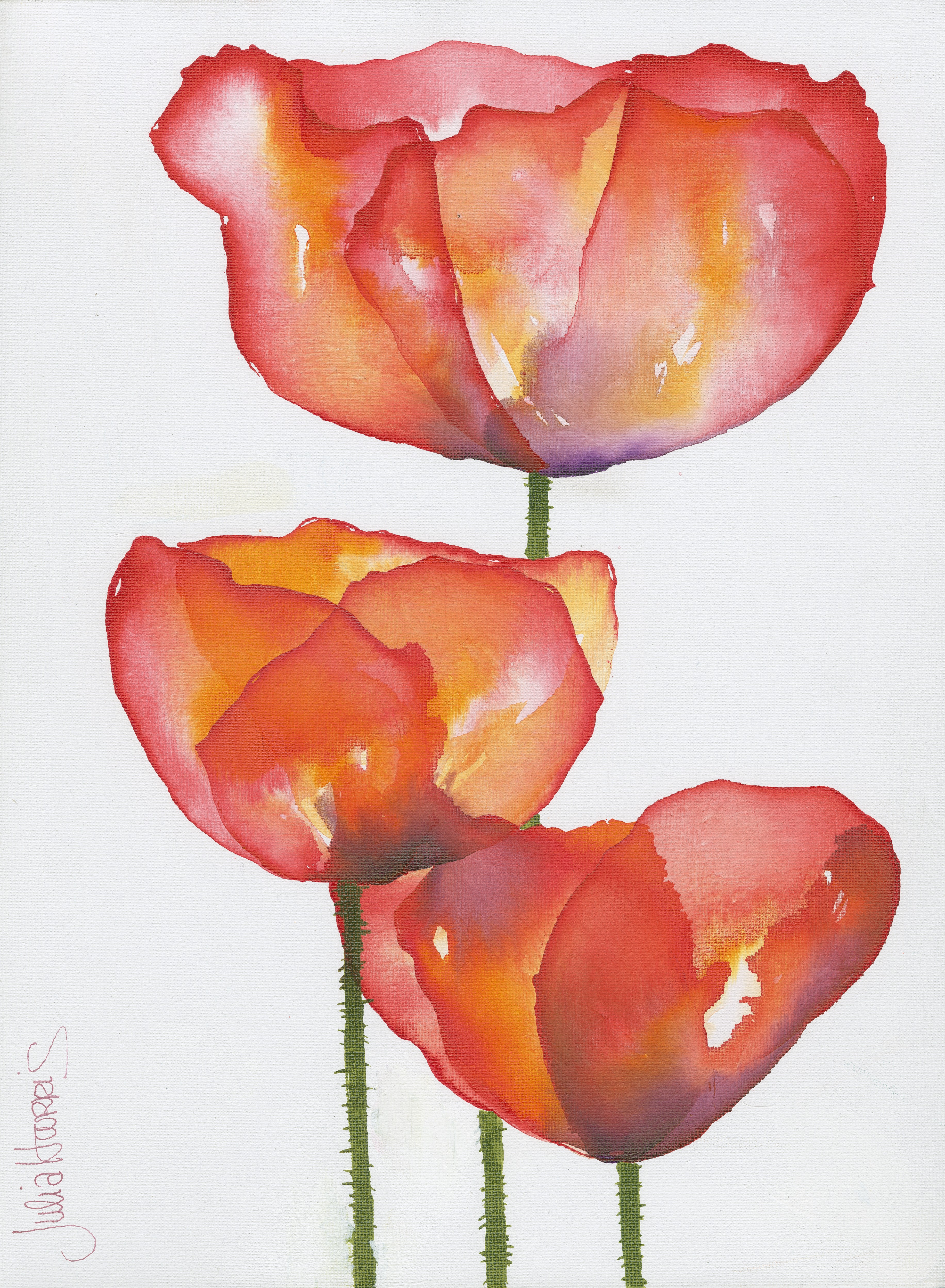
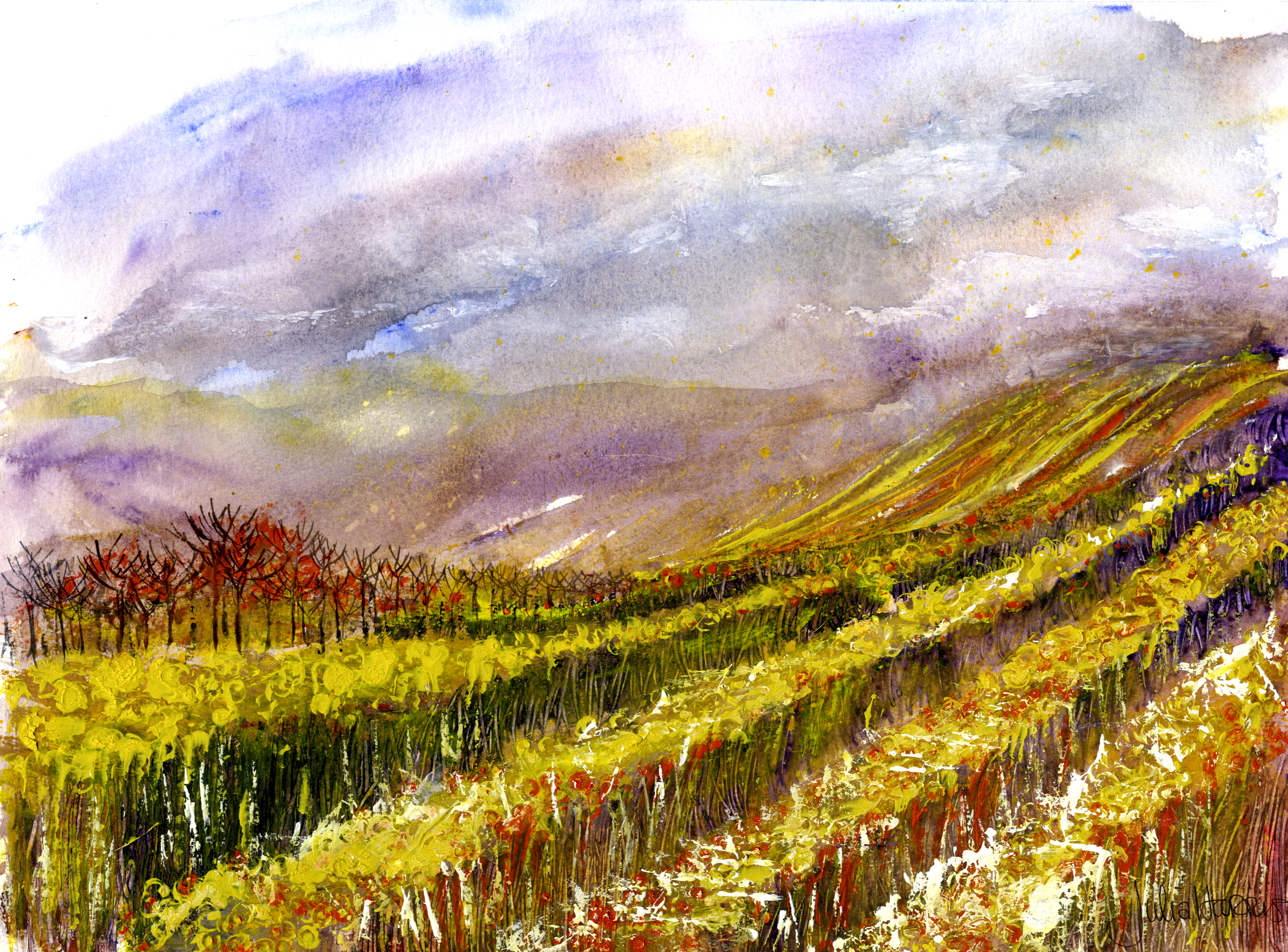
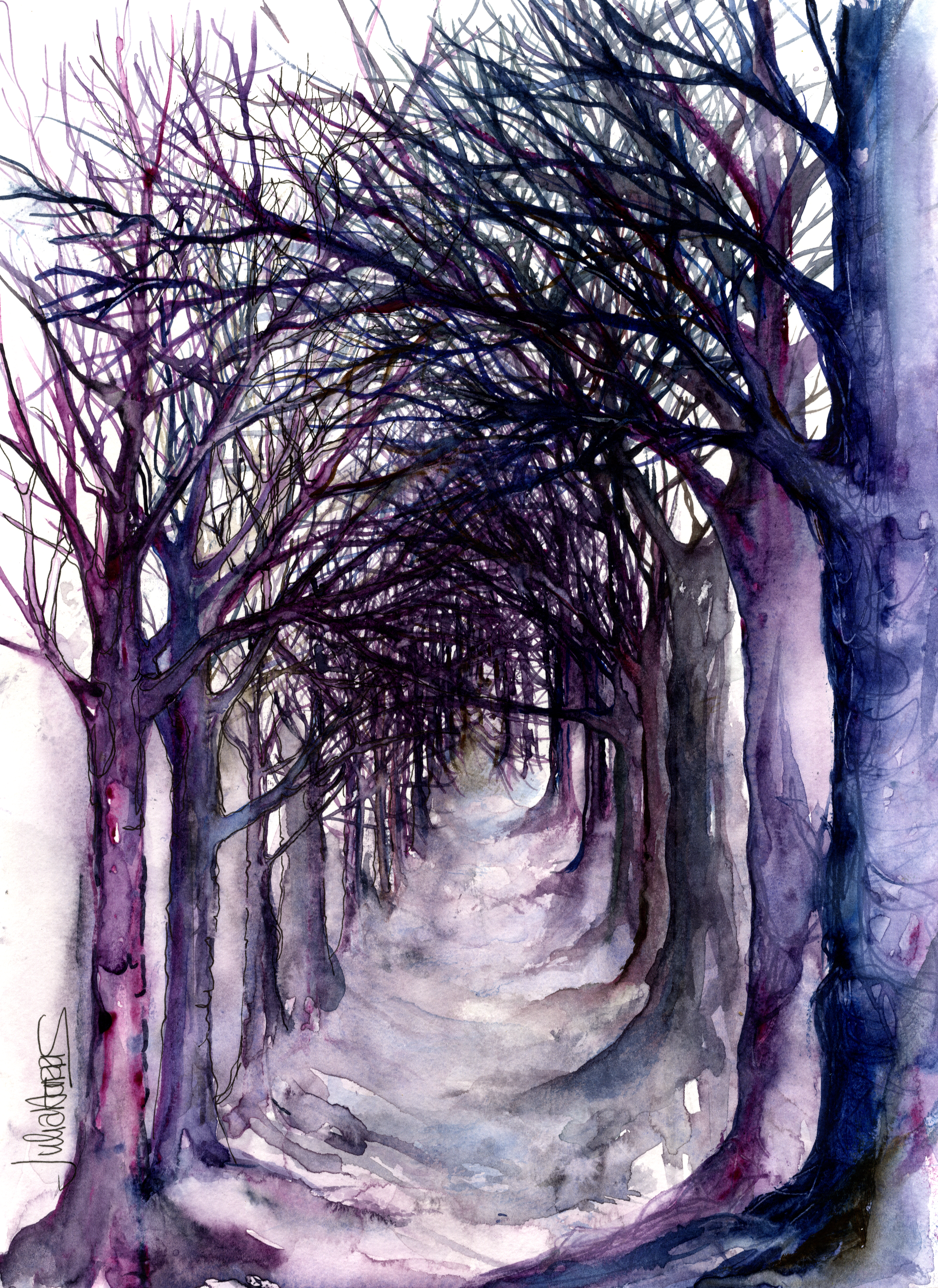
Wet the paper first, then drop in colour. The paint spreads and blooms unpredictably — beautifully. This technique gives soft, atmospheric edges and is ideal for skies, backgrounds, water, and anything you want to feel loose and alive. The key is to work quickly before the paper starts to dry, and not to go back in once you've placed the colour.
Wet-on-dry
Applying wet paint to dry paper gives you crisp, controlled edges. Use this for detail work, sharp outlines, and anything that needs definition. It's the opposite of wet-on-wet in character — precise rather than atmospheric.
Layering and glazing
Watercolour is transparent, which means you can layer washes over each other once they're fully dry to build up depth and complexity. Each layer modifies the one beneath without completely covering it. This is what gives watercolour its luminosity — light passes through the layers and reflects back off the white paper.
Dry brush
Load your brush with paint and remove most of the moisture on a cloth. Drag it quickly across the paper so only the texture of the surface catches the paint. Creates rough texture — grass, bark, water moving in the light.
Practise each of these in isolation before combining them. In my workshops we move through these one by one, with time to explore each properly.
Join a workshop
Every Tuesday and Saturday, 10:30am – 1:00pm at Abercrave Welfare Hall. All materials and refreshments included.
Book a place