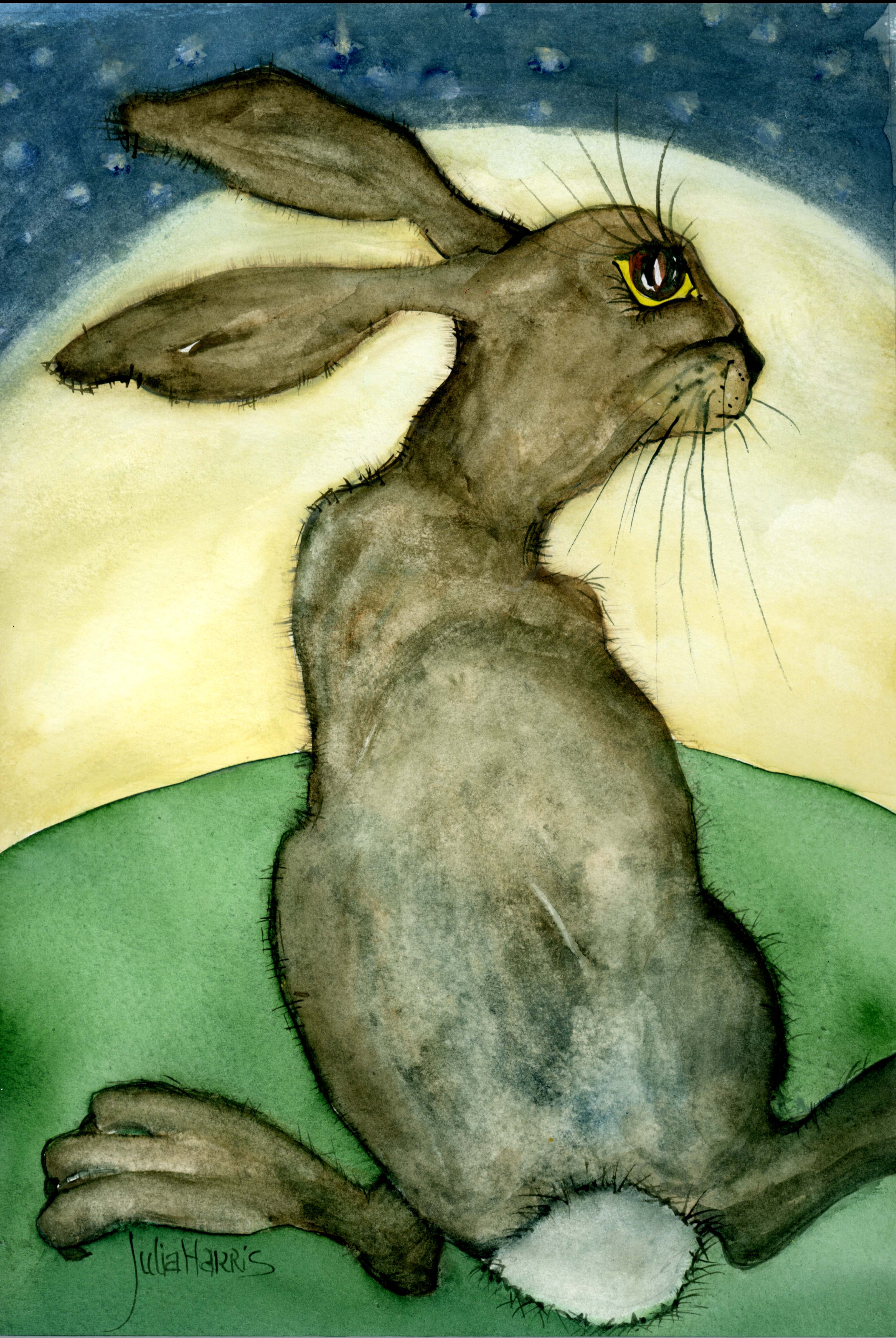
Welsh wildlife is endlessly inspiring — from the bold confidence of a hare mid-leap to the mild bewilderment of a sheep staring back at you across a field.
Start with the eyes
Whatever your subject, I always begin with the eyes. Get those right and the rest of the painting will feel alive. Eyes hold expression — a cow's warm curiosity, a hare's startled intensity. Use a tiny drop of clean water to lift a highlight while the paint is still damp.
Keep your colours loose
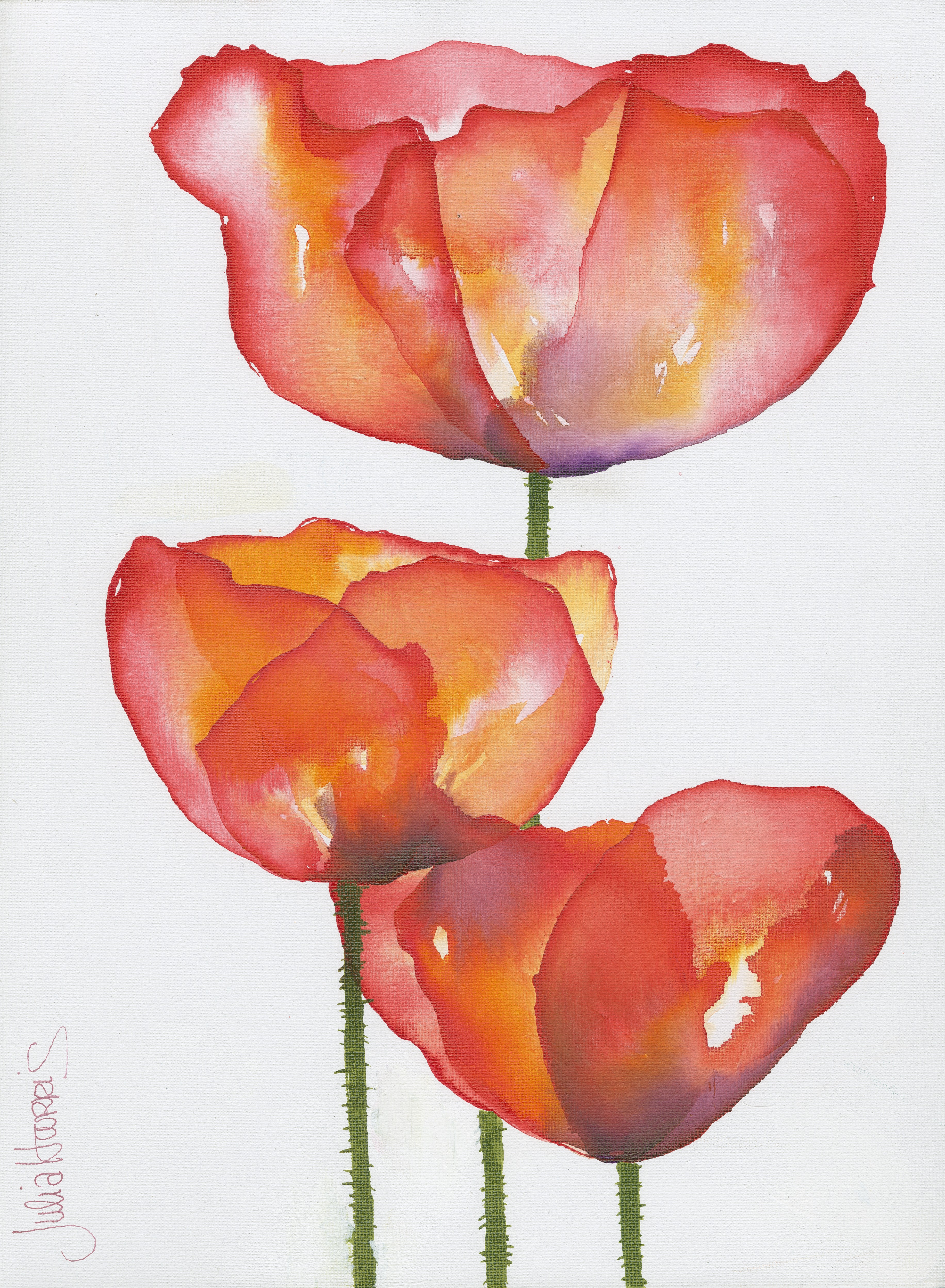
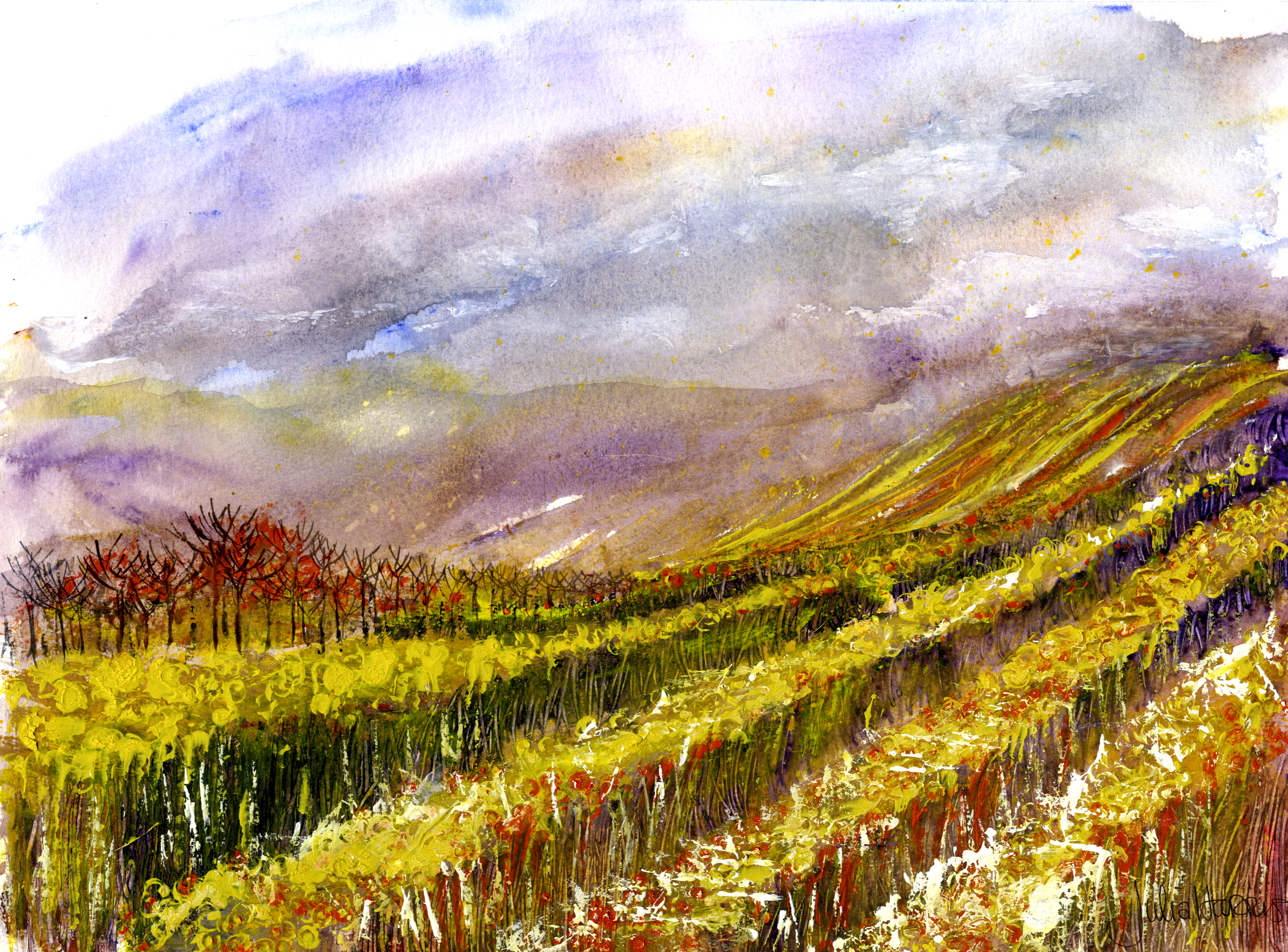
Resist the urge to overwork. Watercolour rewards speed and confidence. Mix a generous puddle of colour before you start, so you're not scrambling mid-stroke. For feathers and fur, let wet-on-wet blooms do some of the work — the paint knows things you don't.
Use negative space
Don't paint everything you see. The white of the paper can suggest light, texture, and space far more effectively than filling every corner. A pheasant against an almost-empty background can be more dramatic than one surrounded by detail.
Embrace the quirk
My favourite pieces are the ones where something unexpected happened — a wash that ran the wrong way, a line that went off course. Welsh wildlife has character. Let yours have some too.
Join a workshop
Every Tuesday and Saturday, 10:30am – 1:00pm at Abercrave Welfare Hall. All materials and refreshments included.
Book a place